

Building a Safer Cockpit: Window Nets, Driver Nets, and Arm Restraints
When drivers think about cockpit safety, helmets, seats, and harnesses are usually the first things that come to mind. But lateral restraint- how well the driver’s head, arms, and upper body are contained during a side impact or rollover- is just as critical. That’s where driver-side nets come in. This article explains what driver-side nets are, how they differ from window nets, when arm restraints may be used, and how some of the major rulebooks address lateral restraint.
What is a Driver Side Net?
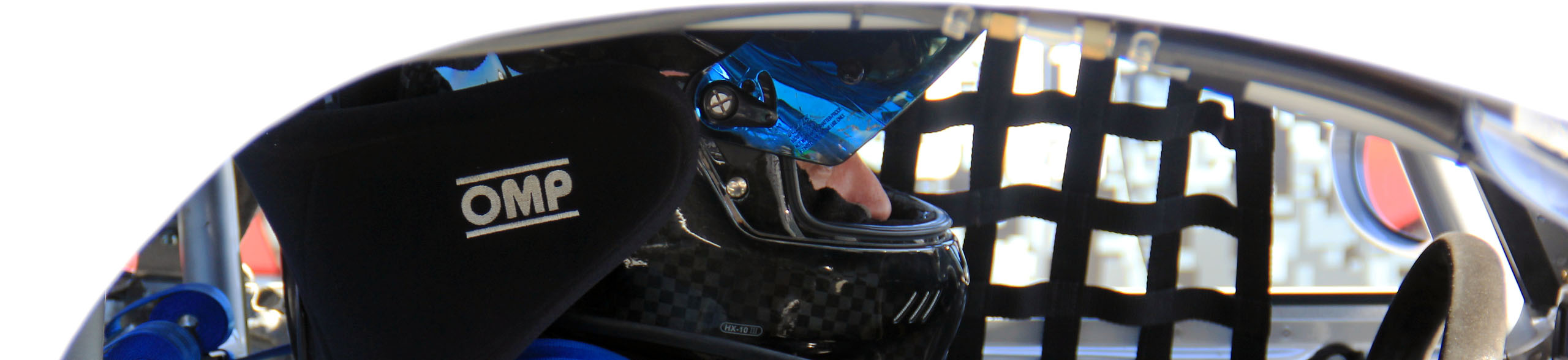
A driver’s side net is a cockpit safety net mounted directly to the roll cage beside the driver. In a typical left-hand-drive racecar, it runs along the right side of the driver, between the seat and the car's center. Its primary function is to control lateral movement of the driver’s head and upper torso during a side impact or rollover. These are commonly referred to as center nets, right-side nets, or cockpit safety nets, depending on rulebook language and mounting location.

In real-world incidents, side impacts can cause the driver’s upper body to move violently toward the door structure. A properly mounted side net helps:
-
Work Limit lateral head movement and control shoulder movement and upper torso motion during later impacts.
-
Work with a full containment seat to manage energy and reduce how far the driver's body can travel.
-
Reduce secondary movement after initial impact, when the body can rebound or shift.
-
Adds another layer of lateral restraint.
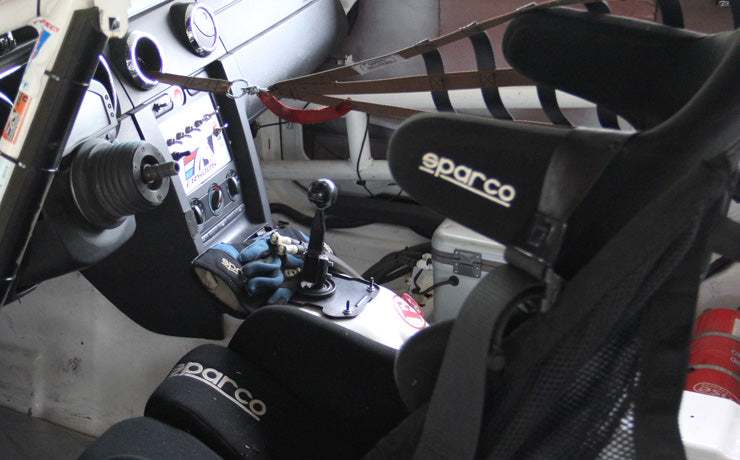
Driver’s side nets are mounted inside the cockpit, typically attached to the roll cage at the dash bar and at the main hoop behind the seat. The net usually runs alongside the driver, wraps around the seatback, and attaches near the rear of the seat at the main roll cage hoop to help support the upper body if the seat itself deflects during a heavy impact.
In left-hand-drive cars, the most common position is on the right side of the driver, but some builds mount them on the left, and certain series or cage layouts allow (or require) nets on both sides of the driver.
Window Nets
A window net is one of the most visible pieces of safety gear on a racecar, and for good reason. Its job is to keep parts of the driver inside the car when things get dicey.

-
Primarily prevents the driver's arms and hands from exiting the vehicle during a crash or rollover.
-
Can limit debris from entering the cockpit.
-
Required in most forms of competition racing
A window net is not designed to control how far the driver’s head and torso move sideways inside the car. That’s where a driver-side net comes in. Many builds use both the window net for arm containment and the driver-side net to the right of the driver for upper body and head control.
Driver Side Nets vs Window Nets: What’s the Difference?
These two nets often get lumped together, but they serve very different purposes.
A window net alone does not provide the same level of lateral head containment as a driver's side net. Many race cars use both a window net and a driver's side net, each providing the driver safety in different ways. A window net is mounted in the window opening, with the top fitted with a metal rod and a quick-release system, allowing the driver to quickly exit the vehicle.
Driver-side nets are shaped and positioned to work alongside the seat’s head and shoulder containment, helping keep the driver’s head, neck, and upper torso from moving excessively during a major impact.
Full-containment (Halo) racing seats already provide significant lateral support at the shoulders and ribs, but they aren’t a complete solution on their own. A properly mounted driver-side net adds another layer of control, especially in hard, multi-directional impacts where belts stretch and loads change quickly. In racecar safety, layers matter.
What About Arm Restraints?
Arm restraints are driver-worn devices that limit the extent to which the arms can extend from the body. In some classes and vehicle types, they may be used instead of or in addition to certain nets, depending on the rules. Arm restraints tether the driver’s arms to the torso via straps that connect with the harness. The arm restraints release when the camlock unclips, allowing the driver to quickly exit the vehicle.

-
Arm restraints protect the arms from flailing around during a crash or rollover.
-
Limit how far the driver’s arms can extend away from the body.
-
Arm restraints rely more on proper fit and consistent driver positioning.
-
They do not control torso movement like a driver’s side net or protect against debris like a window net does.
-
Think of arm restraints as driver-level containment vs vehicle-level containment.
Arm restraints are most common in open-cockpit cars like formula cars and sports racers, and are also seen in some drifting, vintage, and specialty racing environments where cockpit design differs from traditional closed sedan builds.
Many drivers prefer driver-side nets when allowed, especially in closed-cockpit or door-to-door racing environments. Arm restraints are most often seen in open-cockpit race cars, such as formula cars and sports racers.
What the Rules Say (SCCA & NASA)
Both major U.S. amateur racing organizations address lateral restraint in their rulebooks:
-
The SCCA General Competition Rules (GCR) address window nets and driver containment as part of the overall driver restraint and cockpit safety requirements for many competition classes.
-
The NASA Club Codes & Regulations (CCR) similarly include requirements for window nets and additional lateral restraint as part of the vehicle safety equipment standards.
Depending on the class, vehicle configuration, and restraint system, either a driver-side net or arm restraints may be allowed to satisfy the requirement. Exact language and allowances can vary, so it’s critical to consult the current version of the rulebook that applies to your series and class.

Choosing the Right Setup
When deciding between a driver's side net, arm restraints, or both, consider:
-
Your sanctioning body and class rules
-
Whether you’re racing wheel-to-wheel or doing advanced HPDE
-
Cockpit layout and cage design
-
Comfort, visibility, and ease of egress
If you’re unsure, talk with tech inspectors, experienced racers, or the team at OG Racing. Our staff works with drivers every day on safety system selection, and we’ve seen just about every “will this pass tech?” question.